Architect Webzine
Custom Elevators
Materials
Glass Elevators
Lighting and Fixtures
General Options
Door Systems
Drive Systems
Process
Elevator Safety Standards
Elevator Specifications

Custom Elevators

Our elevators blend your architectural style with an extraordinary user experience

Motion introduces both opportunity and complexity into the design process. UT Elevator is unique in that the customization possible for an elevator extends beyond the cab to the full elevator, including the drive system and door system. When approaching a custom elevator, we consider these primary factors:

  • Architectural Style
  • Elevator Geometry
  • Materials, Finishes and Fixtures
  • Structural Engineering Requirements
  • User Experience

Be as flexible as you want with your vision. We will engineer the structure to support it.

A UT custom elevator extends the architectural canvas. Not just for function, a custom elevator can be a work of art to be admired by any passenger or observer.

Be as flexible as you want with your vision; we will engineer the structure to support it. Our staff of Professional Engineers leverage their extensive experience, attention to detail, and manufacturing proficiency to create your stunning showpiece.

Materials

Placeholder surface look and touch and feel and strength

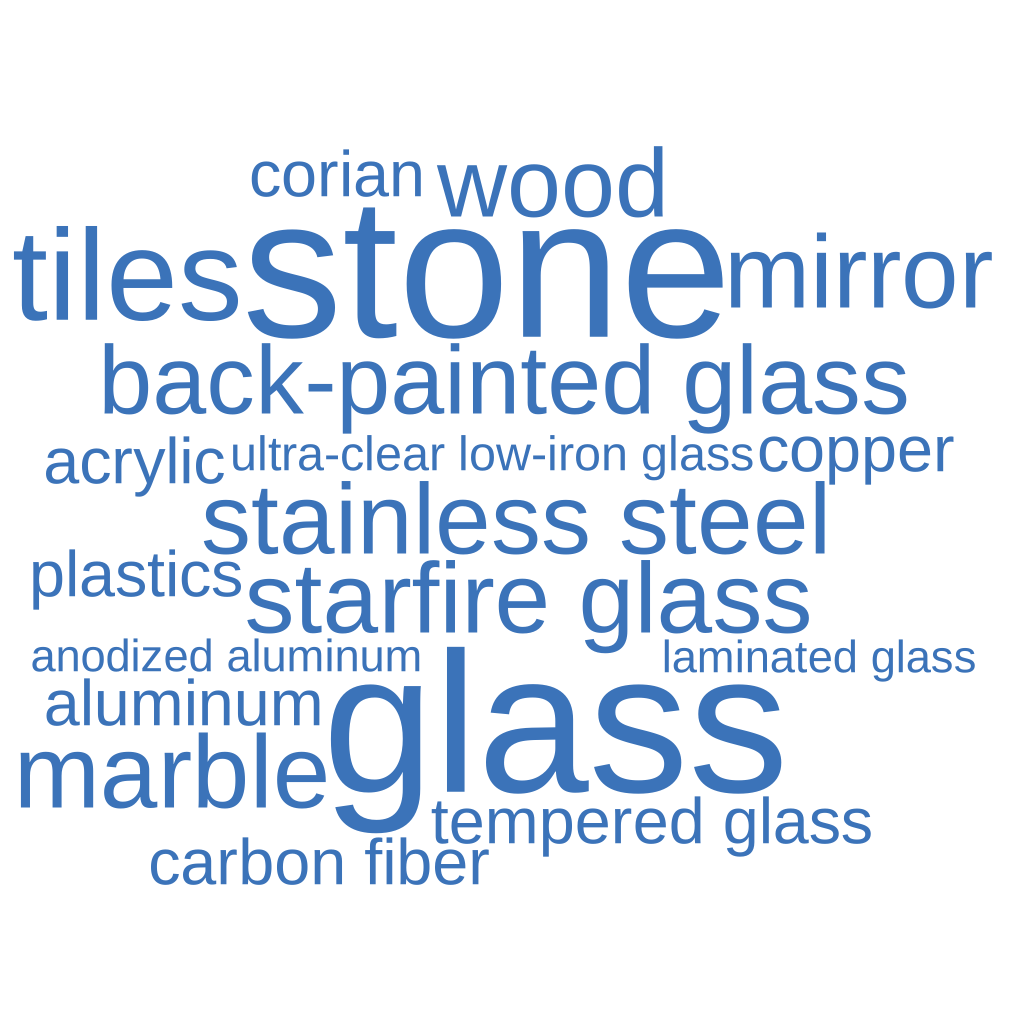
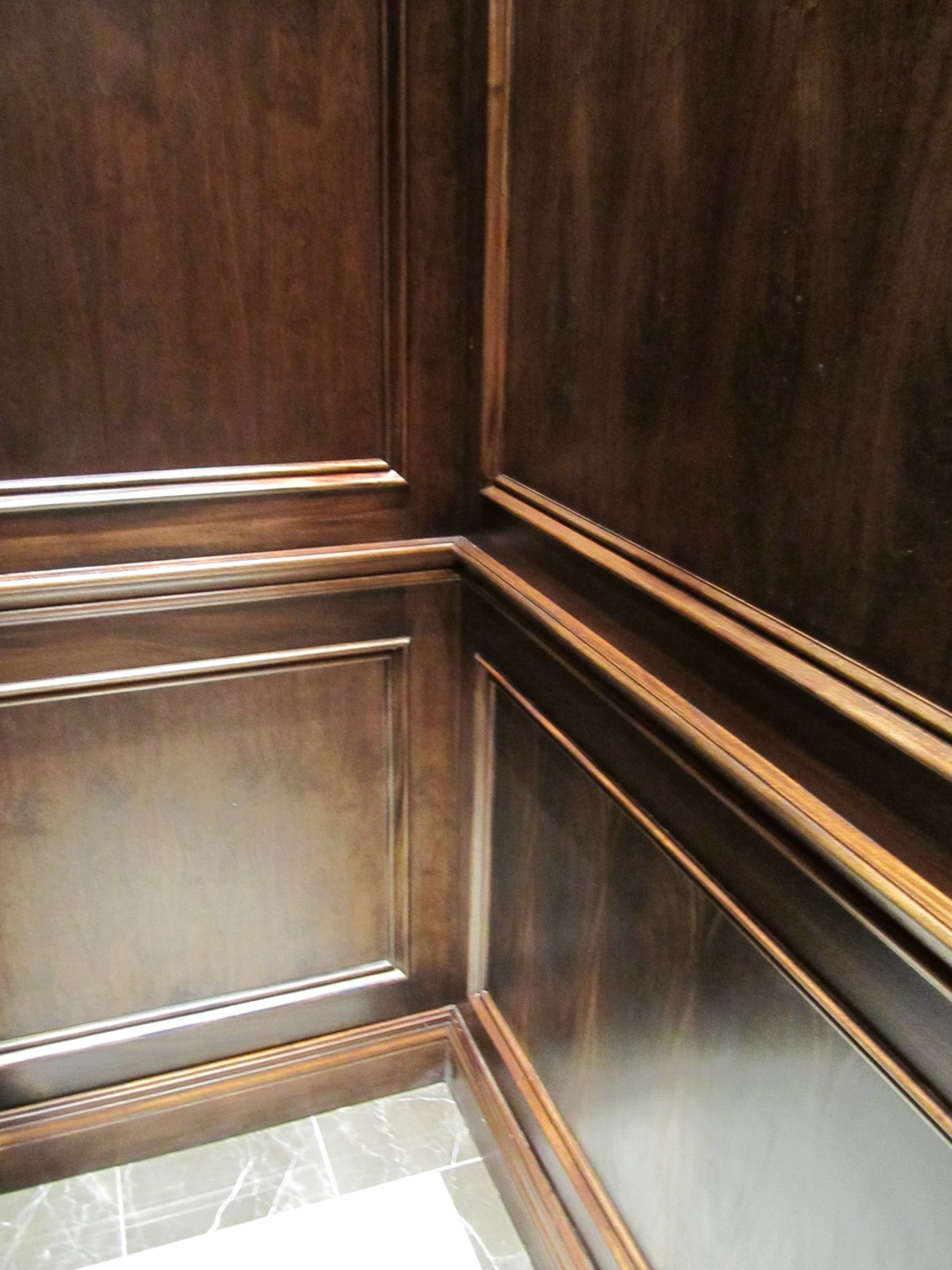
With vast experience incorporating a wide variety of materials and extensive sourcing knowledge, our innovating engineering team can keep the elevator consistent with the theme of your design.

Our extensive supplier contacts and our innovative engineering allow us to incorporate almost any material into our designs. Our designers are constantly experimenting with new materials that are attractive in appearance and functional.

Glass Elevators

Extend the design canvas with glass and ... visual consistency in the home

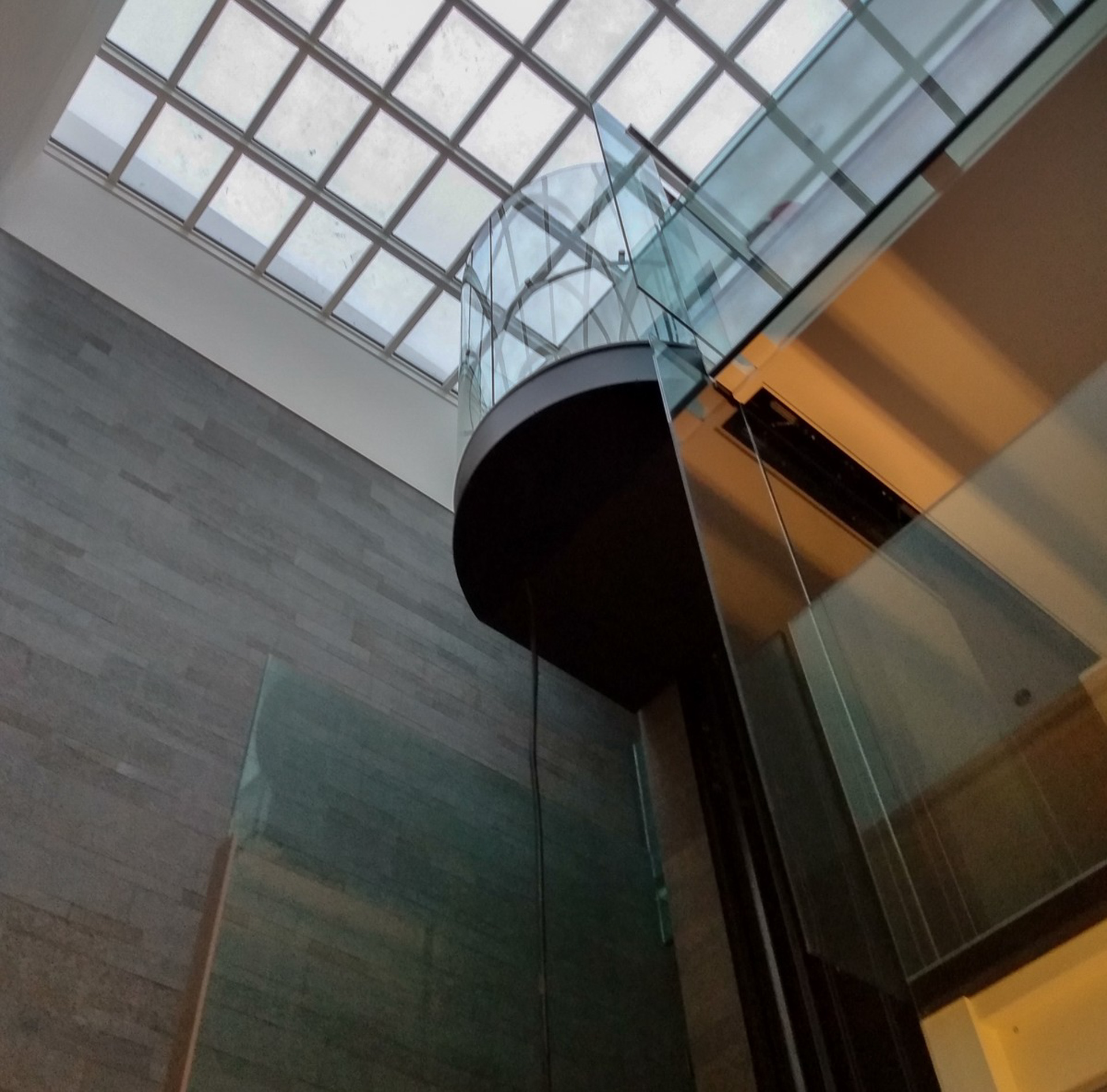
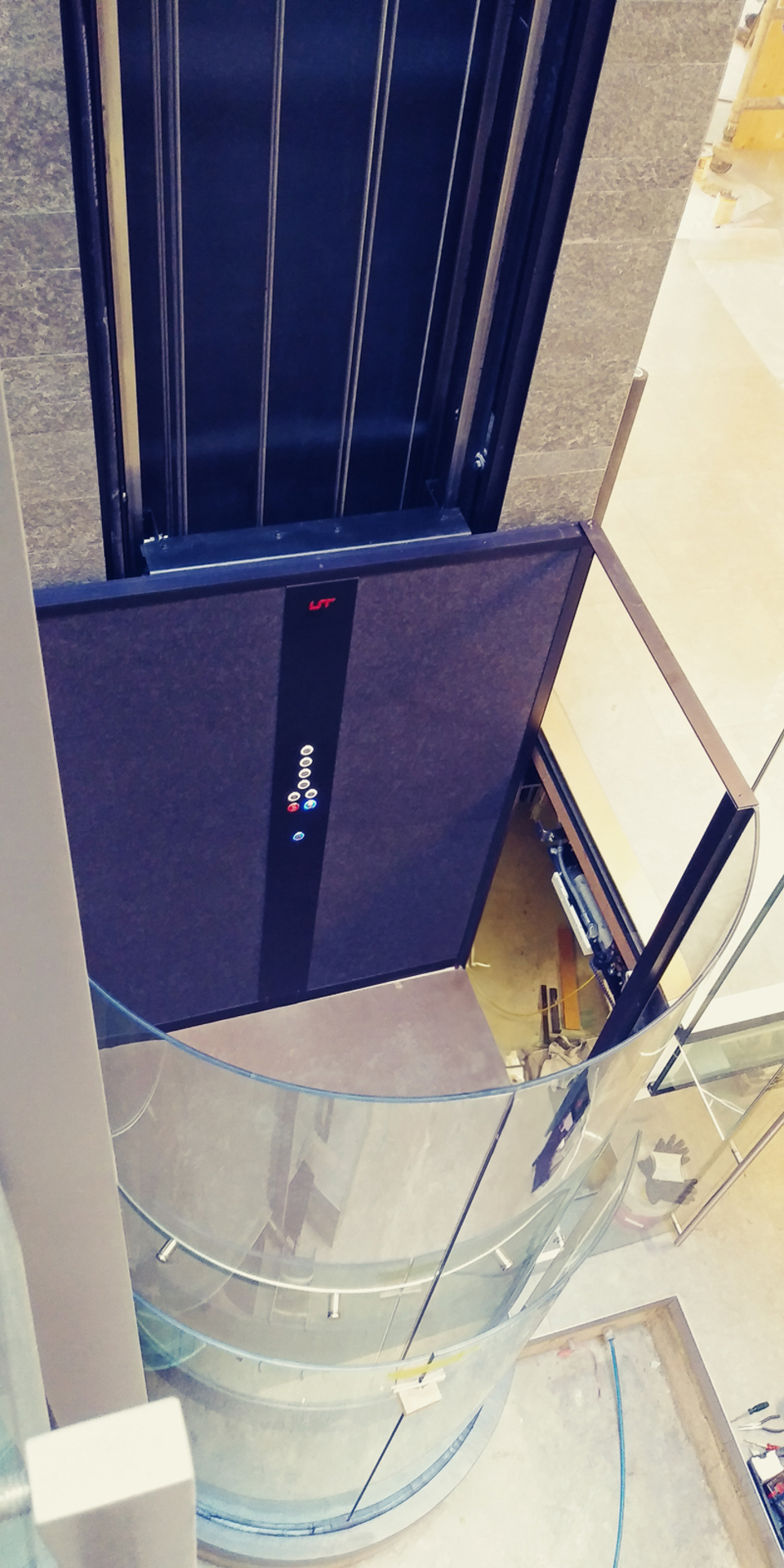
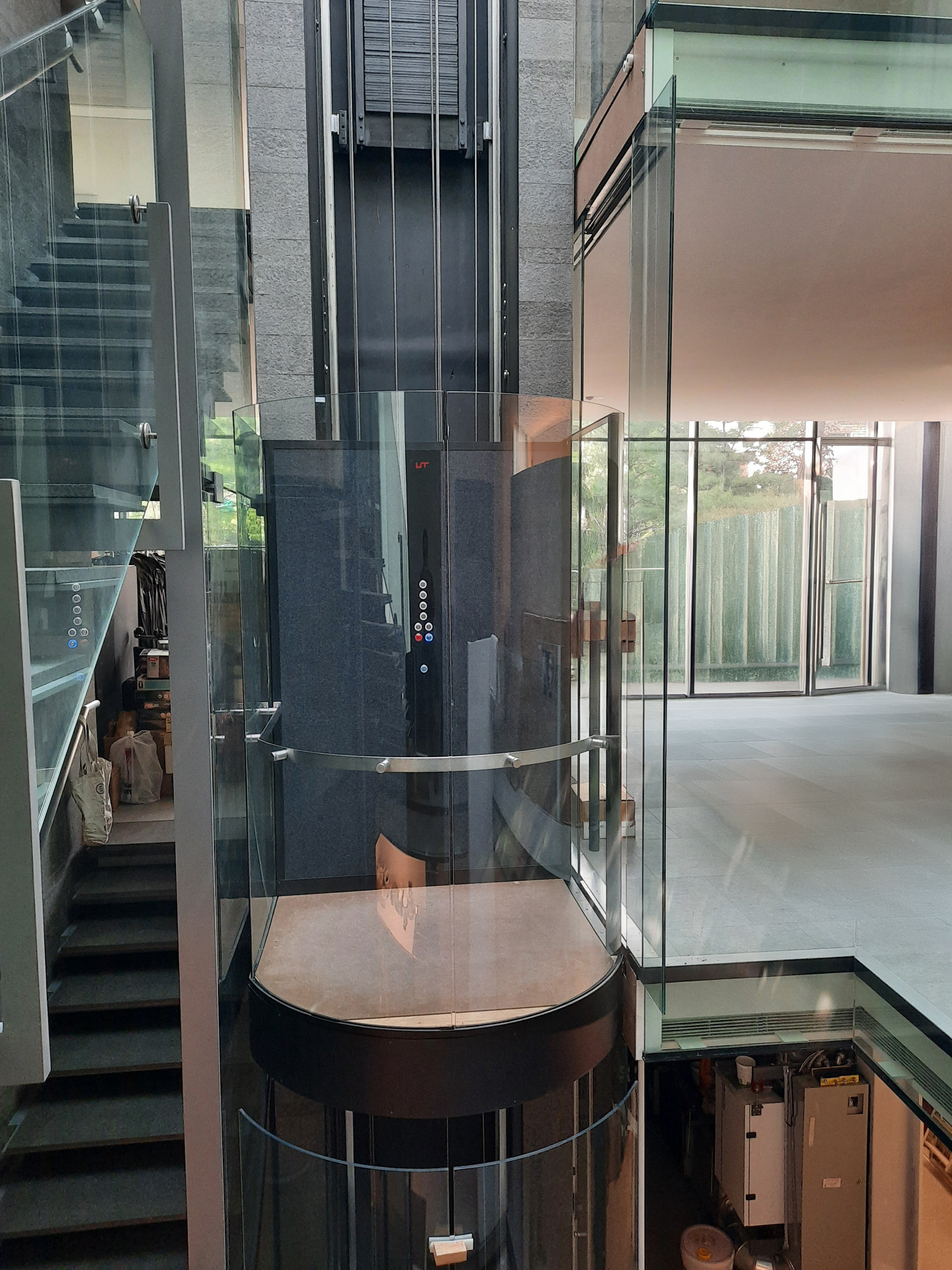
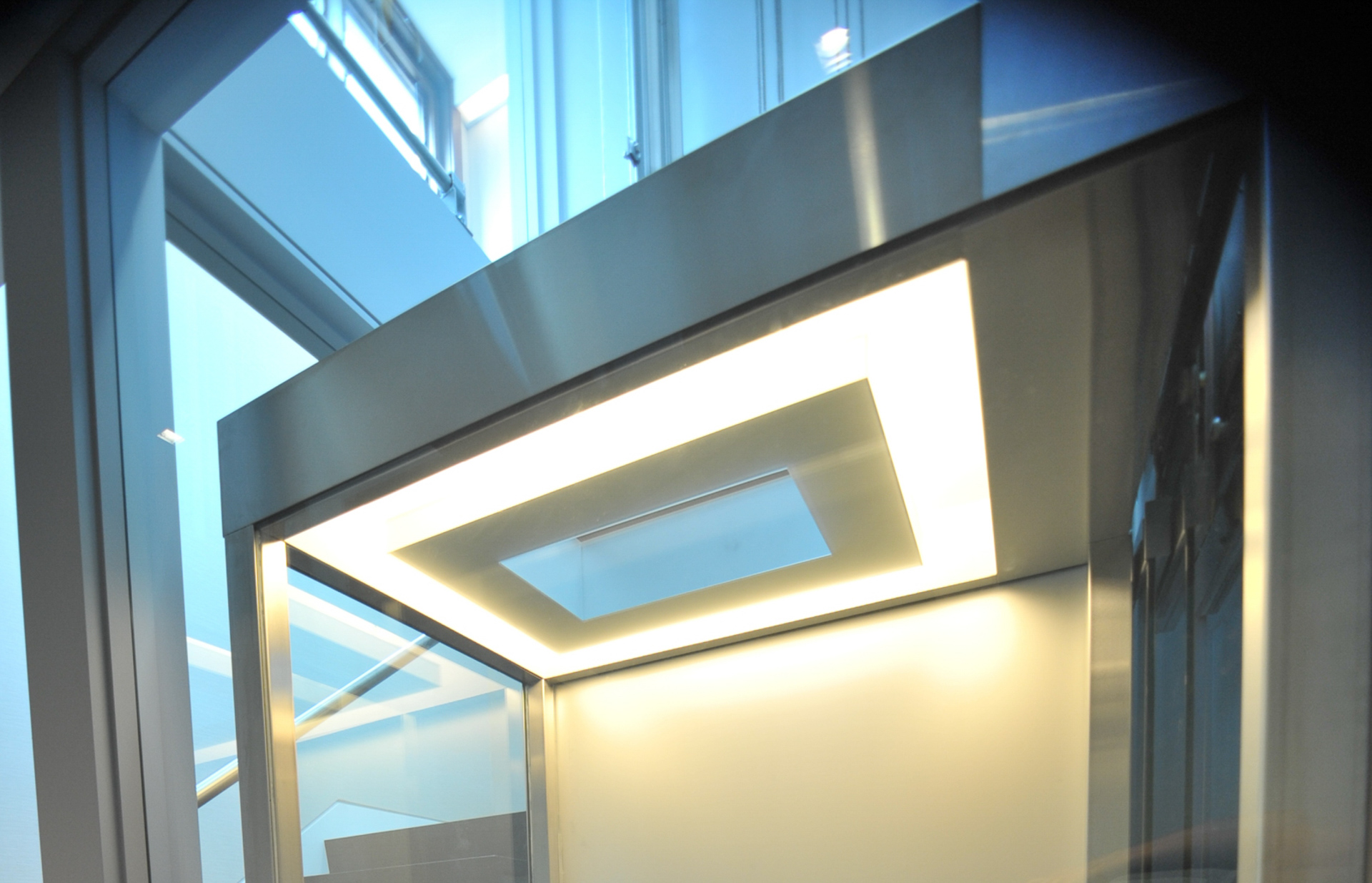
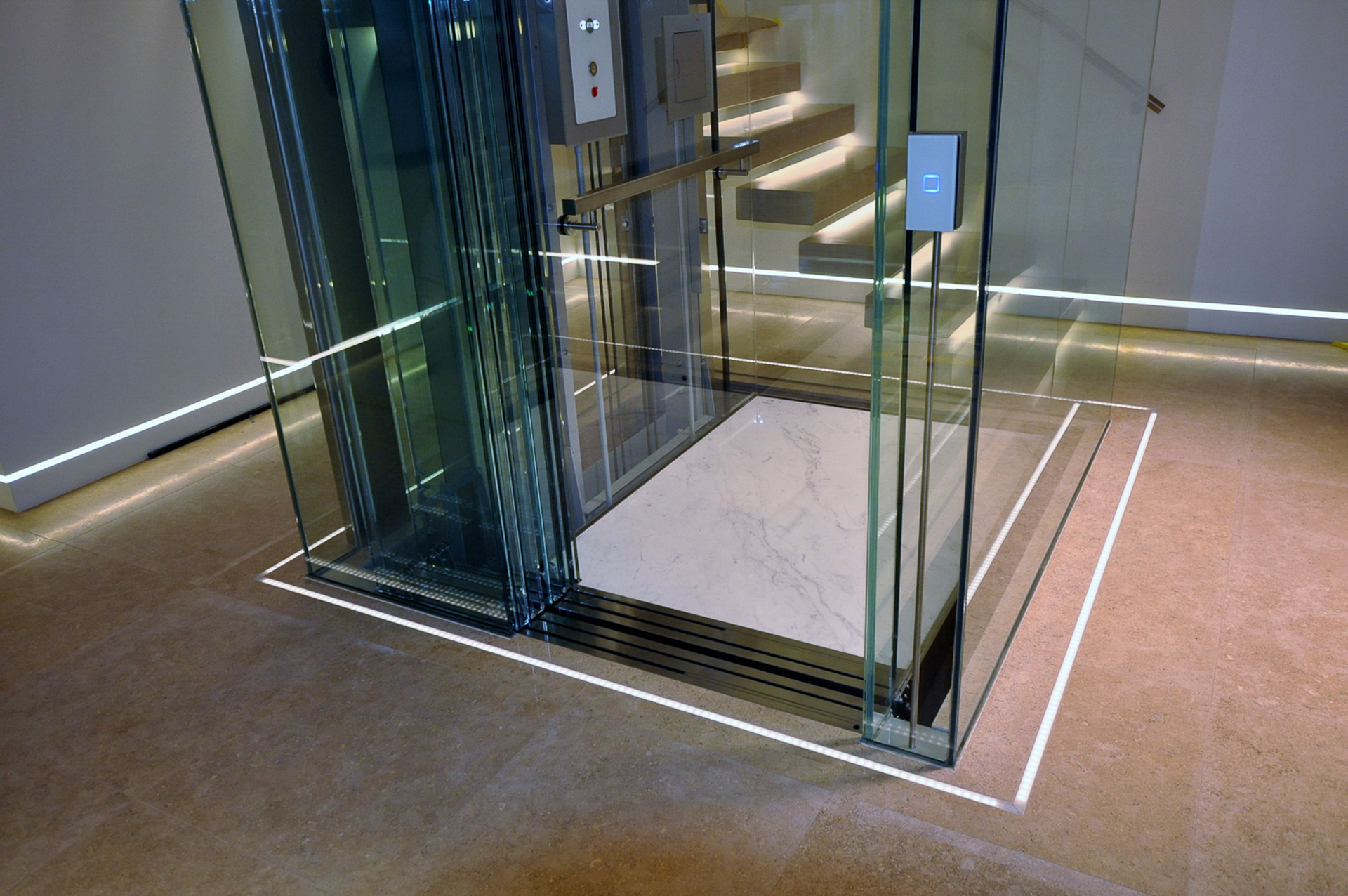
The interaction between glass and light provides a unique opportunity for heightened architectural design. In essence, when glass is used, he visual impact of the hoistway, the structural portion of the elevator, and the lighting design may now be considered in addition to the cab design. When using glass, it is as important to design for when the car/cab is not in a location as it is for when it is.

As the industry leader in glass elevators, we create designs that accentuate the inherent properties of light. We encourage windows and skylights to bring natural light into the hoistway and home. Glass as a material offers a modern elegance when applied to home elevators.

UT Elevator is at the forefront of glass elevator technology and glass as a material offers a modern elegance when applied to home elevators. With our technical ability and artistic touch, we are the premier choice when it comes to glass.
Lighting and Fixtures

Choice of hardware can aid visual consistency in the home and accentuate the style of the elevators

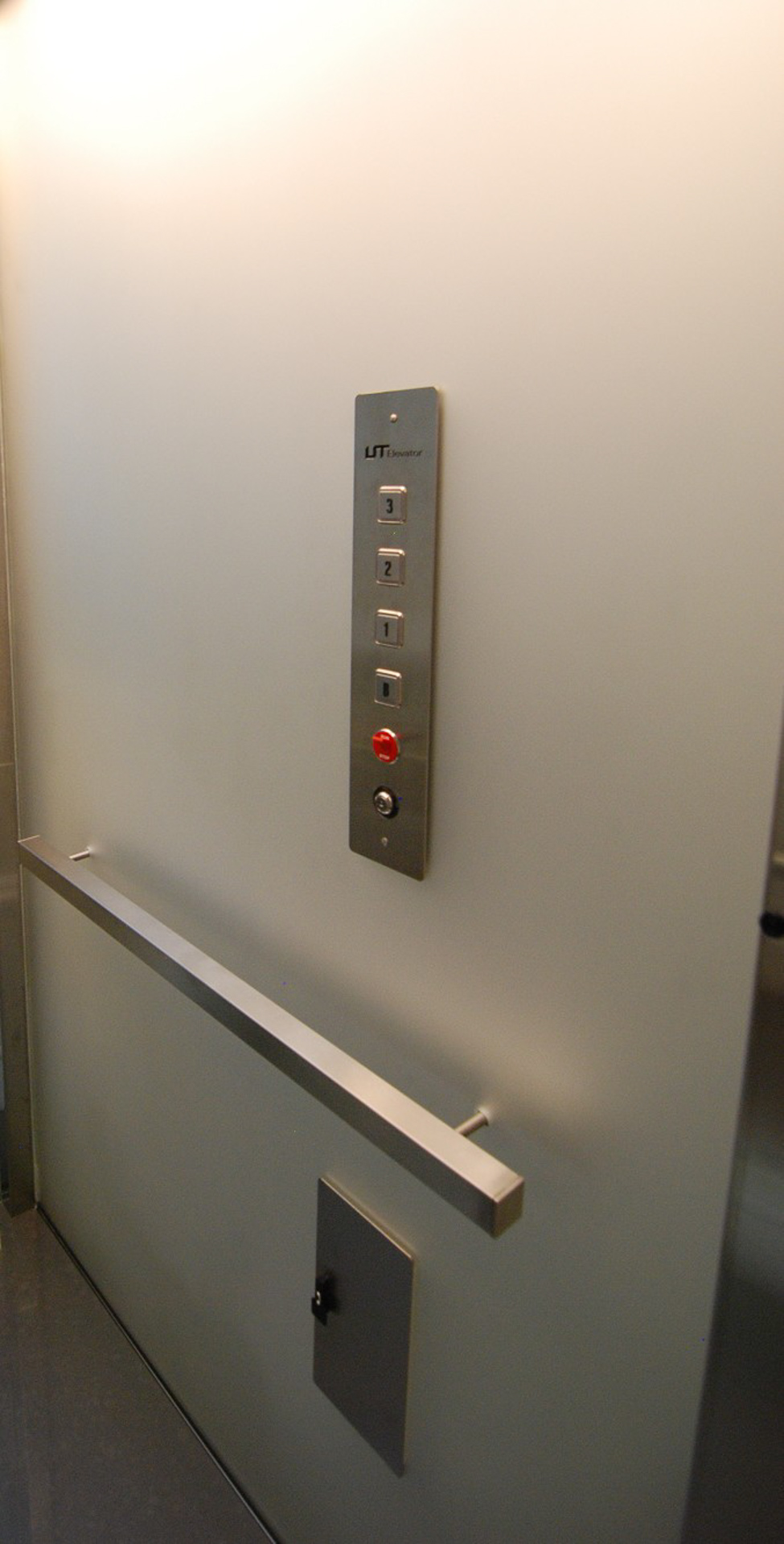
Outfit the elevator with a wide variety of fixtures and accessories to suit the client’s home. Some of our accessory options include buttons, handrails, metal finishes and coatings for hall and car station panels, position indicators, light fixtures, and telephones.

The choice of lighting within the cab and of the hoistway can complement the general home lighting design and offers an opportunity for further distinction as a showpiece.

General Options

The functionally of the elevator is based on the properties of the home and the needs of the client

The flexibility to specify stops, landings, and car openings independently allows for a unique level of customization.

Number of Stops

The number of stops the elevator car makes. This corresponds to the number of different elevations, usually floors, throughout the house that have elevator access.

Number of Landings

The number of entries to the elevator from the building. This is usually the number of stops but it is possible for a floor to have multiple entries or for some floors to not have elevator access.

Car Openings

The number of openings in the elevator car. Each landing will match to an opening in the car when the elevator stops on the landing floor.

The flexibility to specify stops, landings, and car openings independently allows for a unique level of customization.

Operation
Automatic

User presses button once and elevator cab will automatically progress to designated floor.

Manual

User applies constant pressure to push buttons in order to move the elevator up or down. This configuration requires constant pressure button operation avoiding the necessity of a car door system. The user must keep the button pressed until arriving at the designated floor.

Door systems

The most visible intersections between the elevator and home

With custom elevators, the doors are the most important point of integration between the building and the elevator.

A wide variety of options, extensive experience in custom door design, and precise attention to detail allows for complex options resulting in stunning landings and beautiful entries and exits.

With custom elevators, the doors are the most important point of integration between the building and the elevator.

A wide variety of options, extensive experience in custom door design, and precise attention to detail allows for complex options resulting in stunning landings and beautiful entries and exits.

Car door options
Sliding doors

One or more panels that slide open. The hoistway size must accommodate a pocket for the door to slide into.

Gates

These doors collapse to open, the most common of which is an accordion gate. An excellent choice when there is not enough space to accommodate space for a sliding door.

None

There are no doors for car openings. This option is only possible with manual operation.

Landing door options
Swing doors

A door that swings open on hinges away from the elevator.

Sliding doors

One or more panels that slide open. The landing must accommodate a pocket for the door to slide into.

Door operation

Any car or landing door can be made to automatically open through the use of a door operator. When the door operator is on the elevator car, it is possible for the the door operator to open both the car and the landing doors simultaneously. The location of the door operator can be hidden / visible.

Drive Systems

At the heart of each residential elevator is its drive system. Choose between state of the art technologies

MRL - Gearless Traction

All UT residential elevator models are equipped for MRL application. Machine Room-Less technology allows for a complete in-shaft elevator requiring no external space for any subcomponents. At the core of this drive system is a gearless, permanent magnet motor utilizing precise VVVF (variable voltage variable frequency) control. The compact machine mounts within the shaft and allows for a smooth ride with low decibel output comparable to that of a passenger elevator. Our ability to custom fit our MRL elevators to suit any existing or new home environment is the UT advantage. These machines operate efficiently consuming up to 40% less power than that of hydraulic drive systems making MRL elevators a green-friendly solution.

Roped Hydraulic

UT manufactured 1:2 Roped hydraulic drive systems provide an economical and proven solution for residential elevators. Our hydraulic jack systems are manufactured, assembled and tested in-house and are designed to drive loads optimally, avoiding unnecessary shaft modifications. A small compartment space conveniently located outside of the shaft is required for the pump control unit. With over 25 years of manufacturing success, UT hydraulic jacks offer unsurpassed quality that results in long and healthy product lifetimes.

Process

A successful home elevator project begins with a solid project plan Here we outline the UT process

Each custom home project requires a considerable amount of coordination amongst the owner, the architect, the contractor, and the construction trades. A home elevator is no different. Our past experience with residential elevator projects have helped highlight the primary design considerations to take into account.

The home elevator process begins with a solid project plan. Along the way efficient and dynamic interactions must take place between the relevant parties and this is especially true with custom elevators. Our vast experience with the process can help you avoid pitfalls and focus early on the important details that pay off dividends during design the design, construction, and installation stages.

UT Elevator

Architect

Home Builder

Homeowner

Define User Requirements

Provides Architectural Floor Plan including shaft dimension

UT preliminary elevator drawings with load calculations

Signoff

Shop Drawings

Signoff

Elevator Manufacturing

Shaft Construction

Site Inspection

Elevator Installation

Exterior Finishing

Final Inspection

Elevator Safety Standards

UT Elevator is committed to safety and exceeds compliance with all governing technical codes and associations

When planning for building codes and permits it is imperative to find out which safety codes are relevant for your location before starting the design process begins. UT Elevator can assist you in the very beginning to ensure that there are no surprises later on.

Below is a listing of all the regulatory codes and standards in North America that overlap with the elevating industry. To the right you can view some useful definitions.

The governing bodies and safety codes that regulate ELEVATOR INSTALLATION are:

  1. American Society of Mechanical Engineers (ASME): ASME 17.1 (5.3 concerning Private Residential Elevators)
  2. Canadian Standards Association (CSA): B44
  3. Local and State Codes

The governing bodies and safety codes that regulate SHAFT CONSTRUCTION are:

  1. International Code Council (ICC): International Building Code (IBC).
  2. National Building Code (NBC) – Canadian
  3. American Society of Mechanical Engineers (ASME): ASME 17.1 (5.3 concerning Private Residential Elevators)
  4. Electrical

Elevator Specifications

Download basic specifications to reference

Specifications for a custom elevator are developed as the project progresses but general specifications are useful as a starting point. Below are models that can easily be configured into any floor plan. The type of operation and the door systems categorize the three configurations below. Download the following spec sheets according to your preliminary project requirements.

S - Automatic Operation with Sliding Doors

This configuration includes automatic button operation and commercial style sliding doors with finish chosen by the customer.

A - Automatic Operation with Accordion Gate

This configuration includes automatic button operation. It couples a collapsible accordion gate on the car with standard swing doors at each hoistway entrance.

L - Manual Operation with no car door requirement

This configuration requires constant pressure button operation avoiding the necessity of a car door system. The user must keep the button pressed until arriving at the designated floor.